1. WHAT IS FIRE INSULATION?
Fire insulation is a structural application performed in order to minimize possible losses of life and property resulting from fire. The fire triangle comprising three elements as fuel, oxygen, and heat is sufficient to ignite a fire.
Any items used at homes such as furniture, draperies, wallpapers, etc. are inflammable. The air contains the oxygen required to ignite fire. Heat sources such as burning cigarettes, short circuit, sunlight, heaters and stoves, certain chemical reactions and heat generated by friction as well as any combustible materials reaching ignition temperatures may trigger a fire.
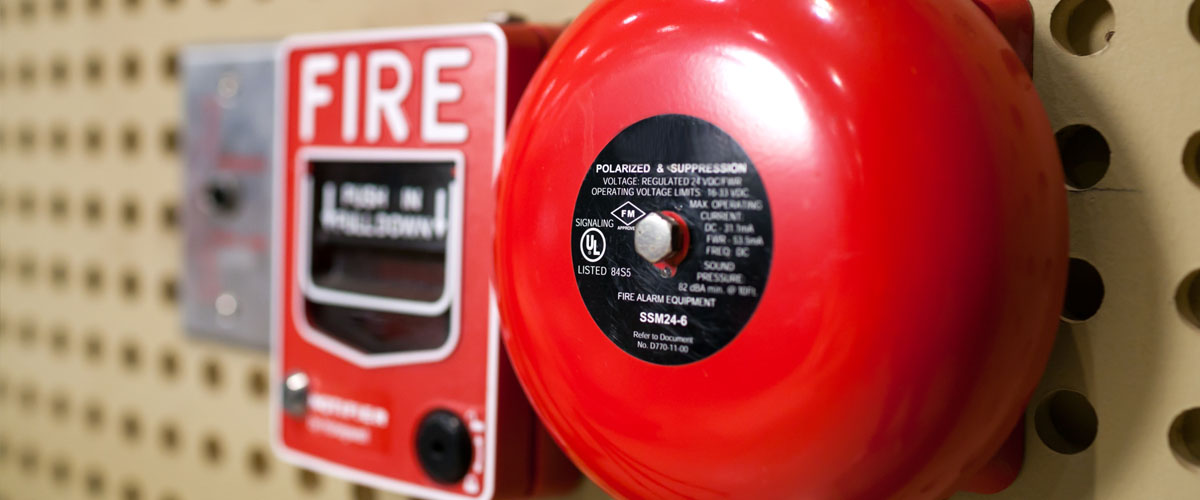
The term fire protection reminds many of us of warning systems such as firefighting equipment and smoke detectors. Although these methods called active protection systems play an important role in fire safety, they activate after the onset of fire and may not function fully due to reasons such as mechanical failure. For this reason, active precautions should be accompanied by structural measures which slow down the harmful effects of fire and its expansion across the building and the neighboring buildings, and ensure safe evacuation of the fire site.
2. BENEFITS OF FIRE INSULATION
2.1. Fire Insulation Ensures Life Safety
A substantial portion of the loss of life in fire results from the fumes generated during combustion, and the harmful gases they contain. The major toxic gases are hydrogen cyanide, carbon dioxide, carbon monoxide, and carbon-sulfur. When inhaled, these toxic gases enter the circulatory system and cause poisoning. Exposure to these fumes and inhalation of the toxic gases for a certain period will lead to death. In addition to the toxic gases, the fume may also contain gases which cause a choking effect, irritation or tear inducing. These gases are not only inherently lethal, but also life threatening in that they impair the ability to escape due to their eye watering effects. Irritant gases such as ammonia, hydrochloric acid and sulfur dioxide may result in temporary or permanent damage to human health.